
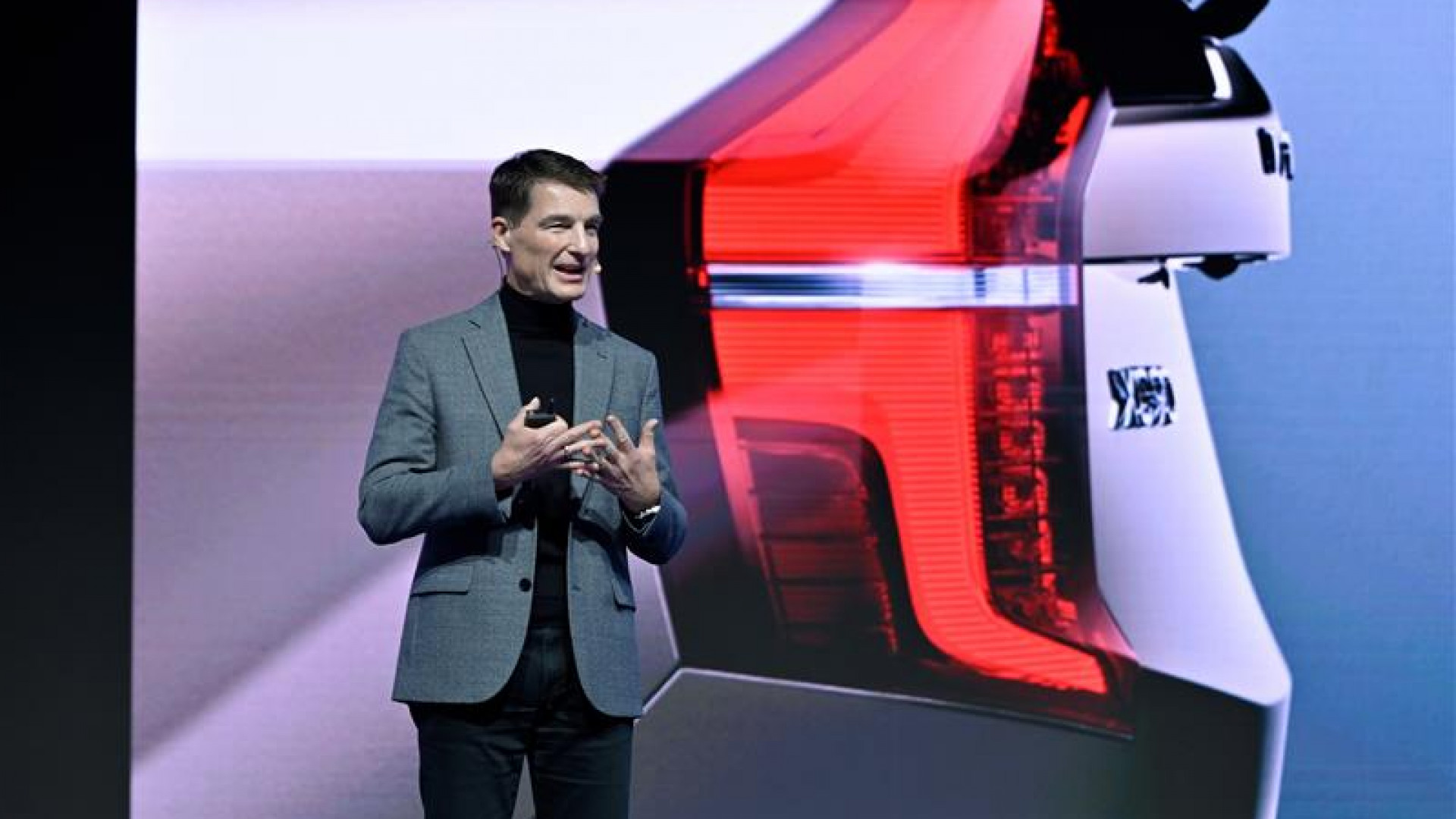
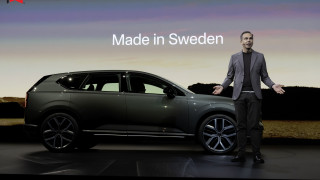
In the automotive world, leadership appointments often come and go with little fanfare. But every once in a while, a decision is made that signals something deeper — a shift in intent, a reaffirmation of values, and a clear statement about the road ahead. Volvo Cars’ announcement of Thomas Ingenlath returning as Chief Design Officer, effective 1 February 2026, is one such moment.
For Volvo, design has never been about superficial flair or chasing trends. It has always been about restraint, purpose, and quiet confidence — values deeply rooted in Scandinavian philosophy. With Ingenlath stepping back into a pivotal leadership role and joining Volvo Cars’ Executive Management Team, the company is clearly doubling down on design as a strategic pillar, not just an aesthetic function.
Read Here about Volvo's Latest EX60
Thomas Ingenlath is no stranger to Volvo. During his earlier tenure as Senior Vice President Design at Volvo Cars, he played a defining role in shaping the modern Volvo design language — clean lines, strong proportions, and an unmistakable sense of calm authority. Under his influence, Volvo design evolved into something instantly recognisable, proving that safety, luxury, and emotional appeal could coexist without excess.
That design philosophy became a cornerstone of Volvo’s resurgence as a premium global brand. Cars like the XC90, S90, and XC60 didn’t just compete on technology or safety credentials — they stood out because they looked timeless, confident, and distinctly Volvo. Ingenlath helped turn design into a brand signature, not an afterthought.
Since then, his journey has been equally influential. As CEO of Polestar, Ingenlath took on the challenge of building an entirely new brand from the ground up — one that would operate in the fiercely competitive space of electric performance cars. Polestar wasn’t just another EV startup; it was a bold design-led statement that fused sustainability, performance, and progressive aesthetics. Under his leadership, Polestar cars translated radical concepts into production reality, earning global recognition for their minimalist yet futuristic design language.
That experience matters — especially now.
The automotive industry is in the middle of its most profound transformation in over a century. Electrification, software-defined vehicles, sustainability, and new mobility expectations are rewriting the rules of what a car should be. In this landscape, design is no longer about styling alone. It’s about how technology is expressed, how complexity is simplified, and how emotion is preserved in an increasingly digital product.
Volvo understands this better than most. As the brand accelerates toward its electric future, the role of design becomes even more critical. Electric vehicles offer new freedoms — flat floors, new proportions, fewer mechanical constraints — but they also pose new challenges. How do you maintain brand identity when powertrains go silent? How do you make technology feel human? How do you create desire without aggression?
These are questions Ingenlath has already been answering — both at Volvo and at Polestar.
Commenting on his return, Ingenlath himself reinforced this philosophy, stating that design is fundamental to what Volvo stands for. His focus on creating cars that are “distinct, relevant and true to the Volvo brand” speaks volumes. In an era where many manufacturers are converging toward similar EV silhouettes and digital-heavy interiors, distinctiveness rooted in authenticity is becoming a rare advantage.
Volvo Cars CEO Håkan Samuelsson echoed this sentiment, highlighting design as one of Volvo’s greatest strengths and a key differentiator as the company shapes the future of premium electric mobility. This isn’t just praise — it’s a strategic acknowledgment that design leadership will play a central role in how Volvo competes globally, especially against both traditional rivals and tech-driven newcomers.
It’s also worth noting the broader organisational message this appointment sends. By bringing Ingenlath into the Executive Management Team, Volvo is elevating design to the highest level of decision-making. This ensures that design isn’t reacting to engineering or marketing constraints, but actively shaping product direction from the very beginning.
At the same time, Volvo has acknowledged the contributions of Nicholas Gronenthal, who served as Interim Head of Global Design during this transition. His leadership helped maintain continuity, and his appointment as Head of Design Americas ensures that Volvo’s regional design influence remains strong in a critical market.
Ultimately, this announcement is less about a single individual and more about what Volvo Cars wants to be in the next decade. As cars become electric, connected, and increasingly software-driven, brands that succeed will be those that combine.
Gallery







Your comment will be verified by admin before going live