
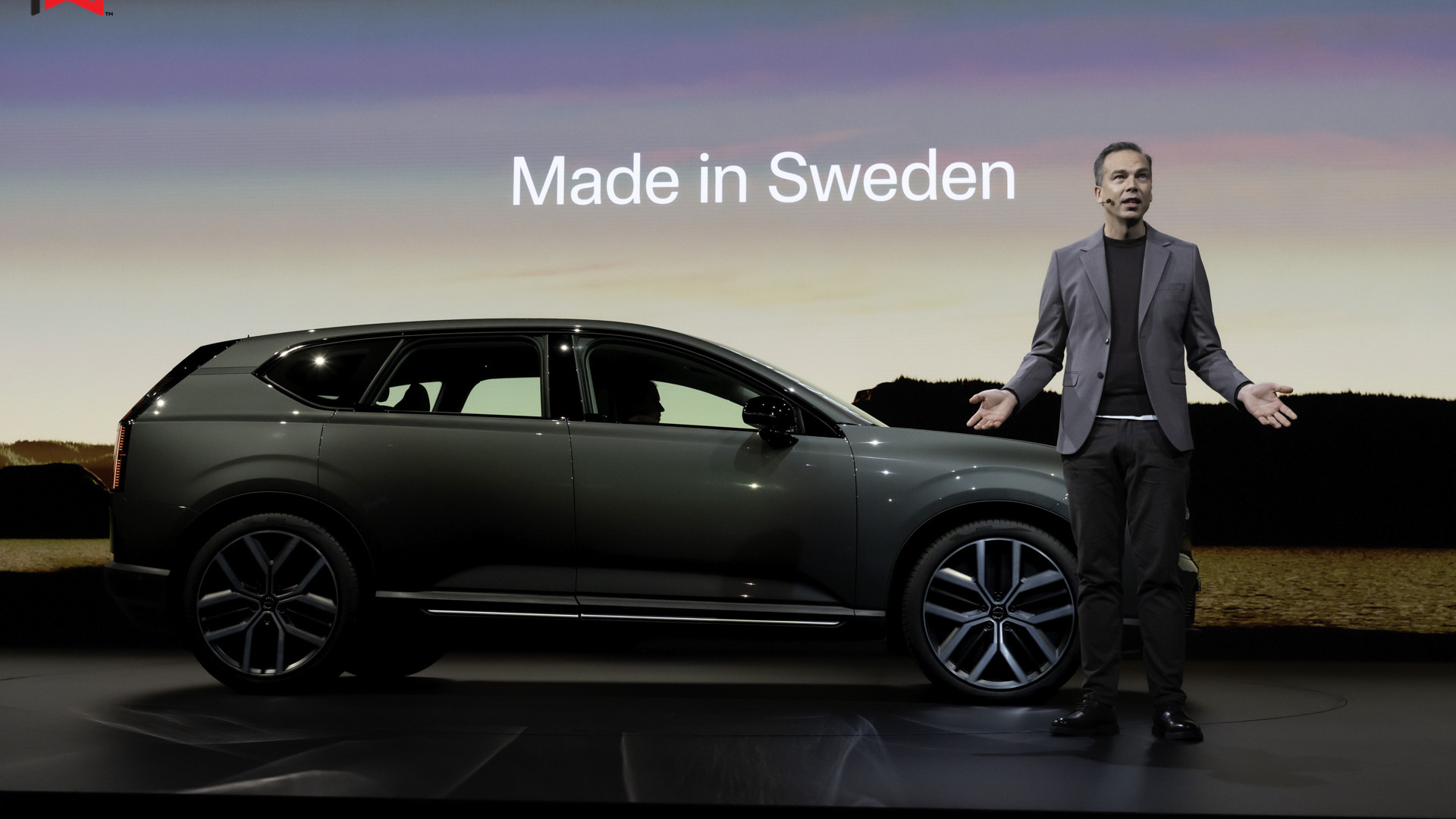
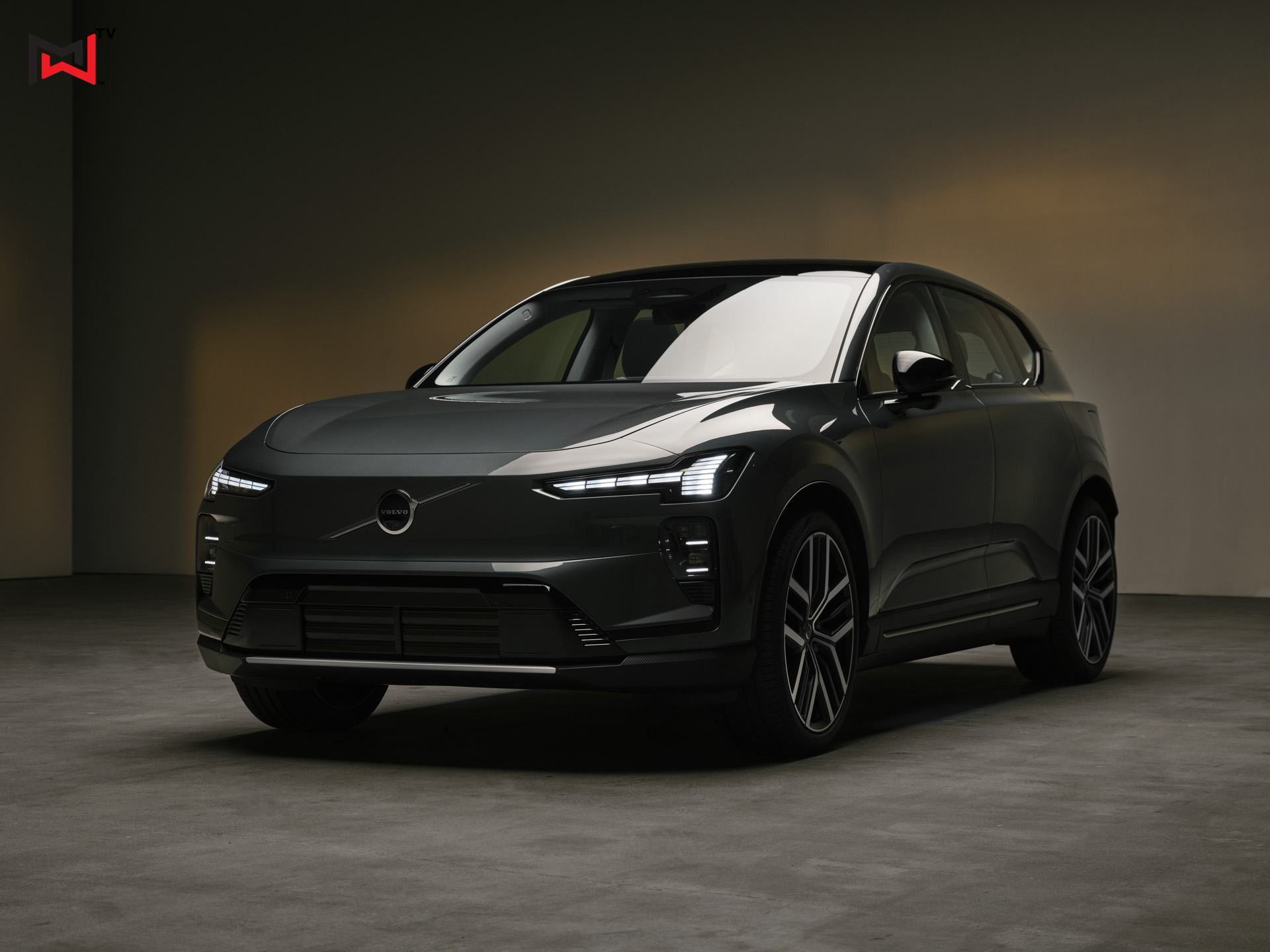
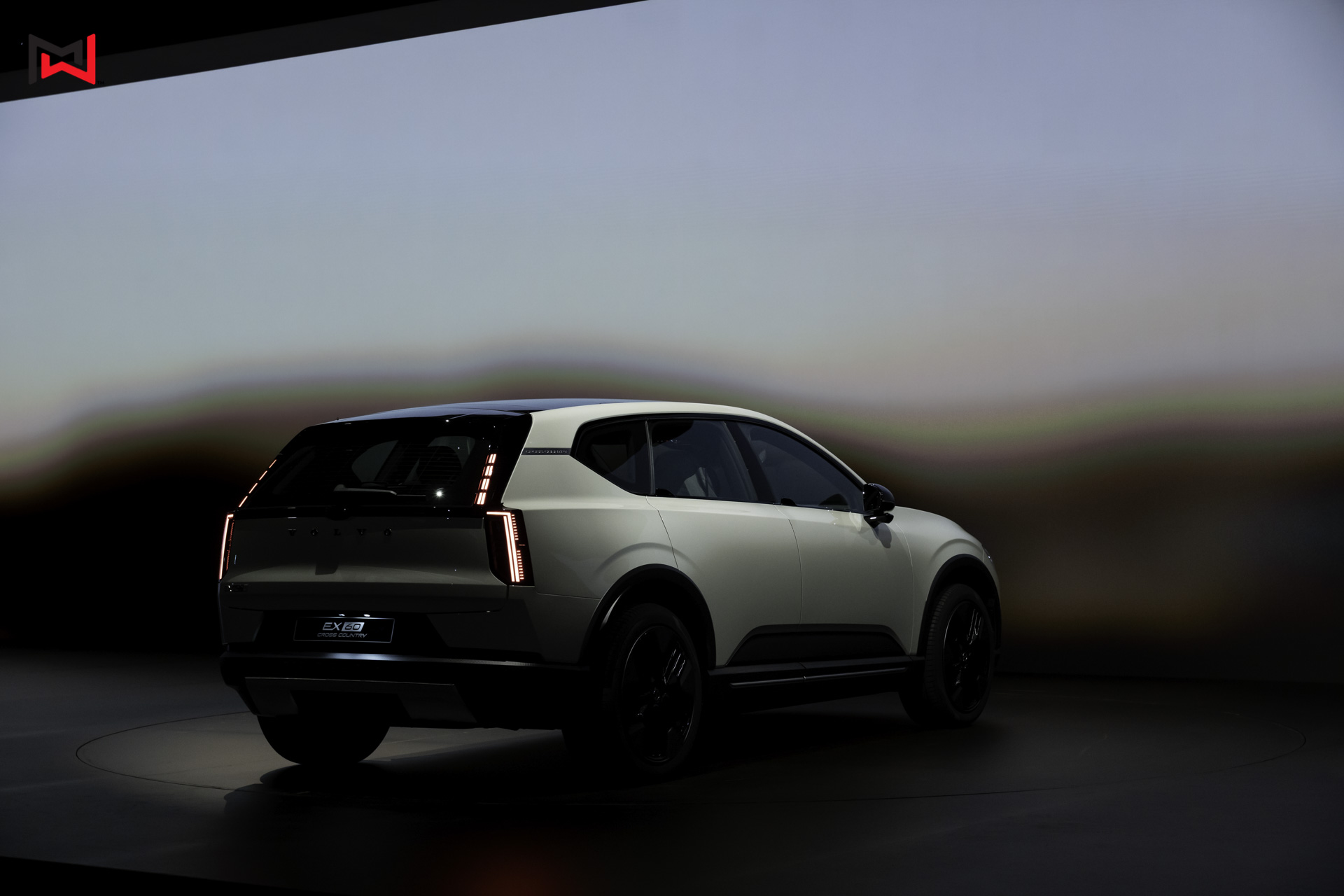
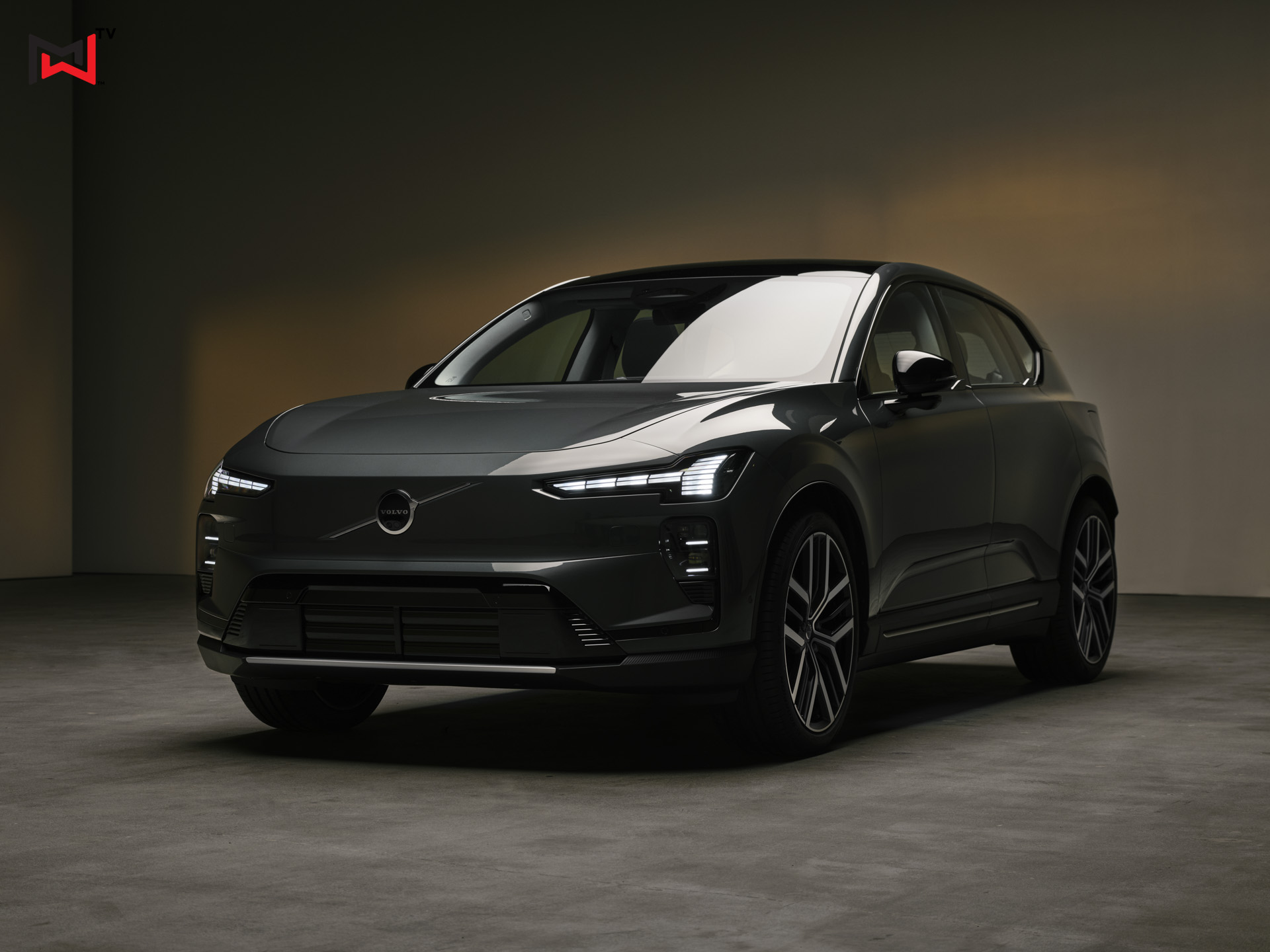
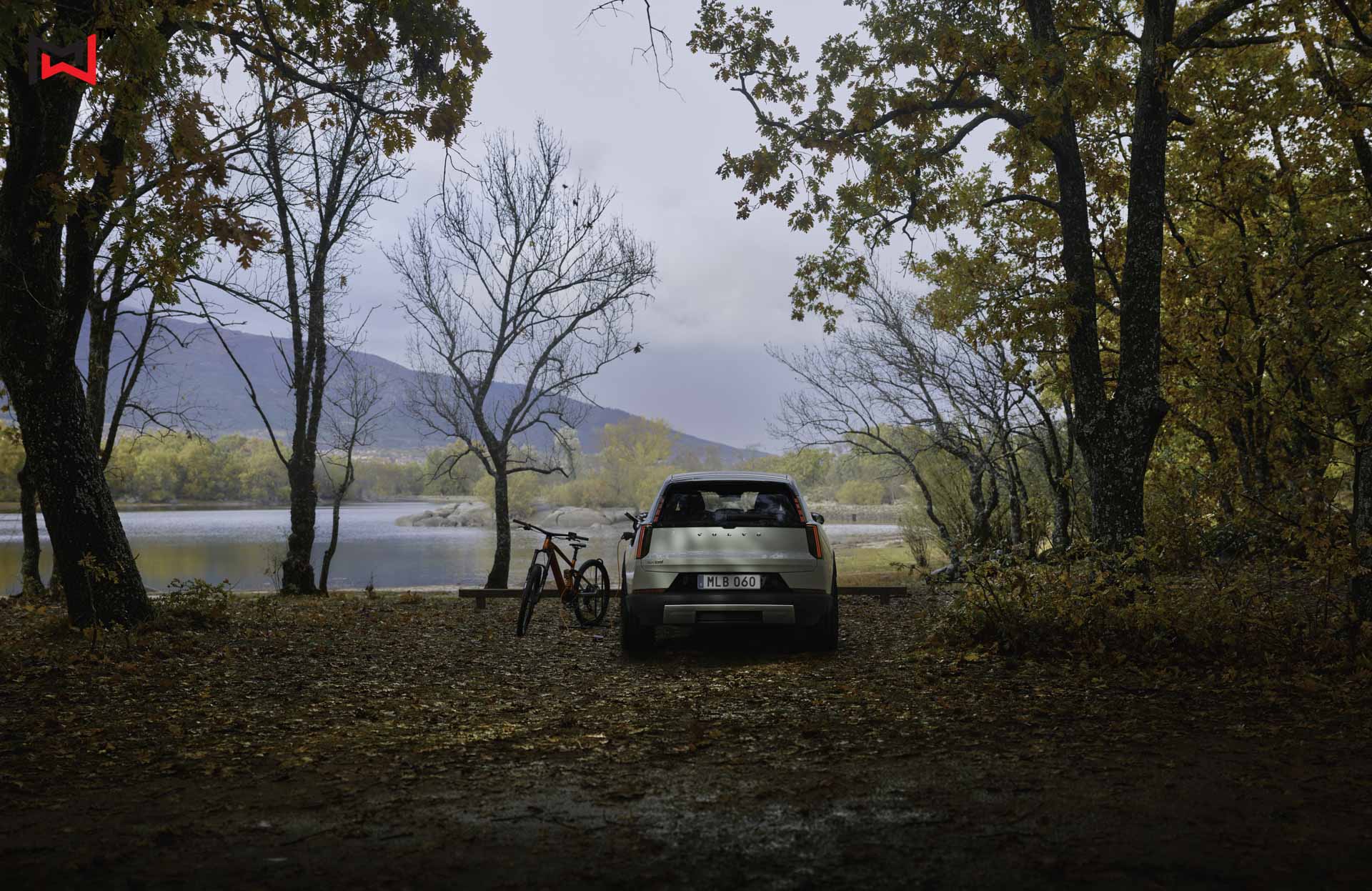
When Volvo revealed the EX60, it did not arrive with the kind of drama that often surrounds electric vehicle launches today. There were no exaggerated claims, no futuristic promises that feel far removed from daily reality. Instead, the EX60 comes across as a product shaped by restraint, and perhaps experience an electric SUV developed for buyers who already know what they want from a car and are now asking whether an EV can genuinely replace it. The EX60 sits in a space that Volvo understands well. Mid-size SUVs have long been the backbone of the brands global portfolio, balancing family use, long-distance comfort and a certain understated premium appeal. By placing the EX60 between the smaller EX40 and the larger EX90, Volvo is clearly targeting customers who want an electric vehicle without stepping into something oversized or overly complex.
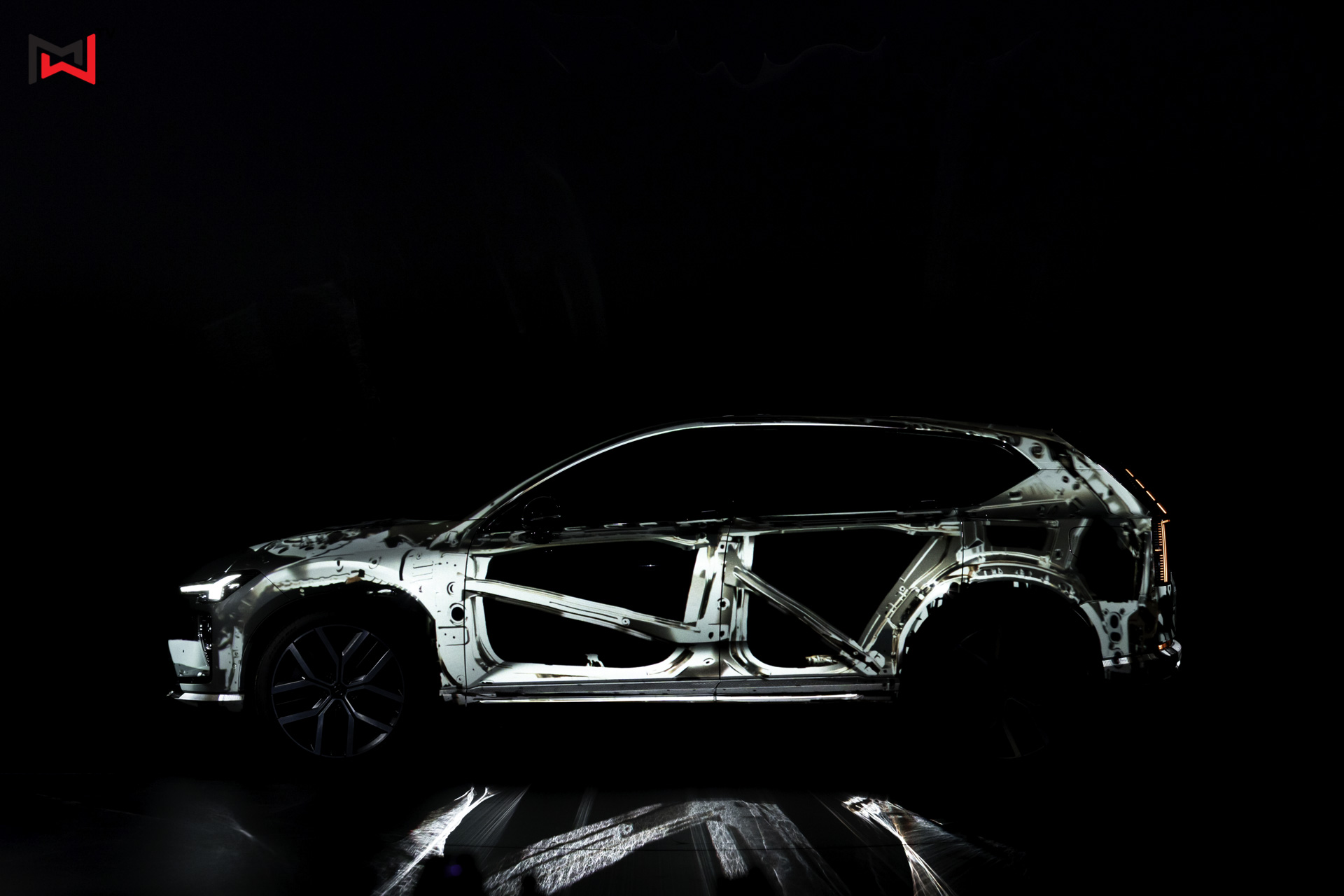
Underneath the EX60 is Volvo's new SPA3 architecture, a platform developed specifically for electric vehicles rather than adapted from earlier combustion-engine designs. What stands out here is not just the technology itself, but the intention behind it. The battery forms a structural part of the vehicle, reducing excess material while improving rigidity and efficiency. These are the kinds of engineering decisions that don't generate headlines but tend to matter over years of ownership.
Range is inevitably one of the first questions buyers ask, and Volvo's answer is a claimed WLTP figure of up to 810 kilometres. While real-world usage will tell a more nuanced story, the number suggests that the EX60 is designed to remove range anxiety from the conversation altogether. This is not an EV positioned as a second car or a city-only solution. It is meant to handle long highway journeys just as comfortably as daily commuting.
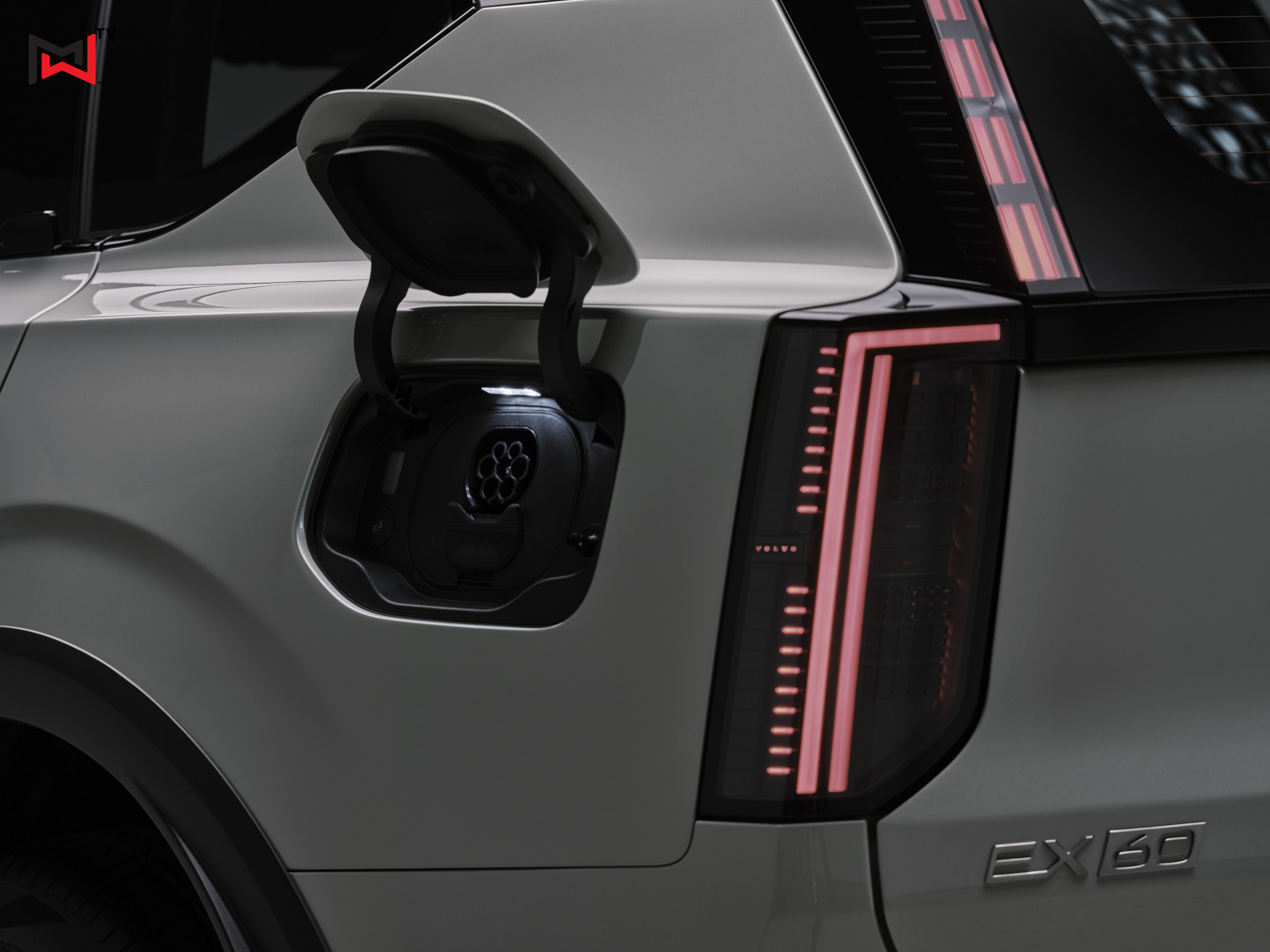
Charging capability supports that ambition. With an 800-volt electrical system, the EX60 is engineered to take advantage of modern fast-charging infrastructure. In practical terms, this should translate into shorter charging stops and less disruption during longer drives. Volvo has avoided overselling this aspect, choosing instead to frame charging as something that fits naturally into travel rather than defining it.
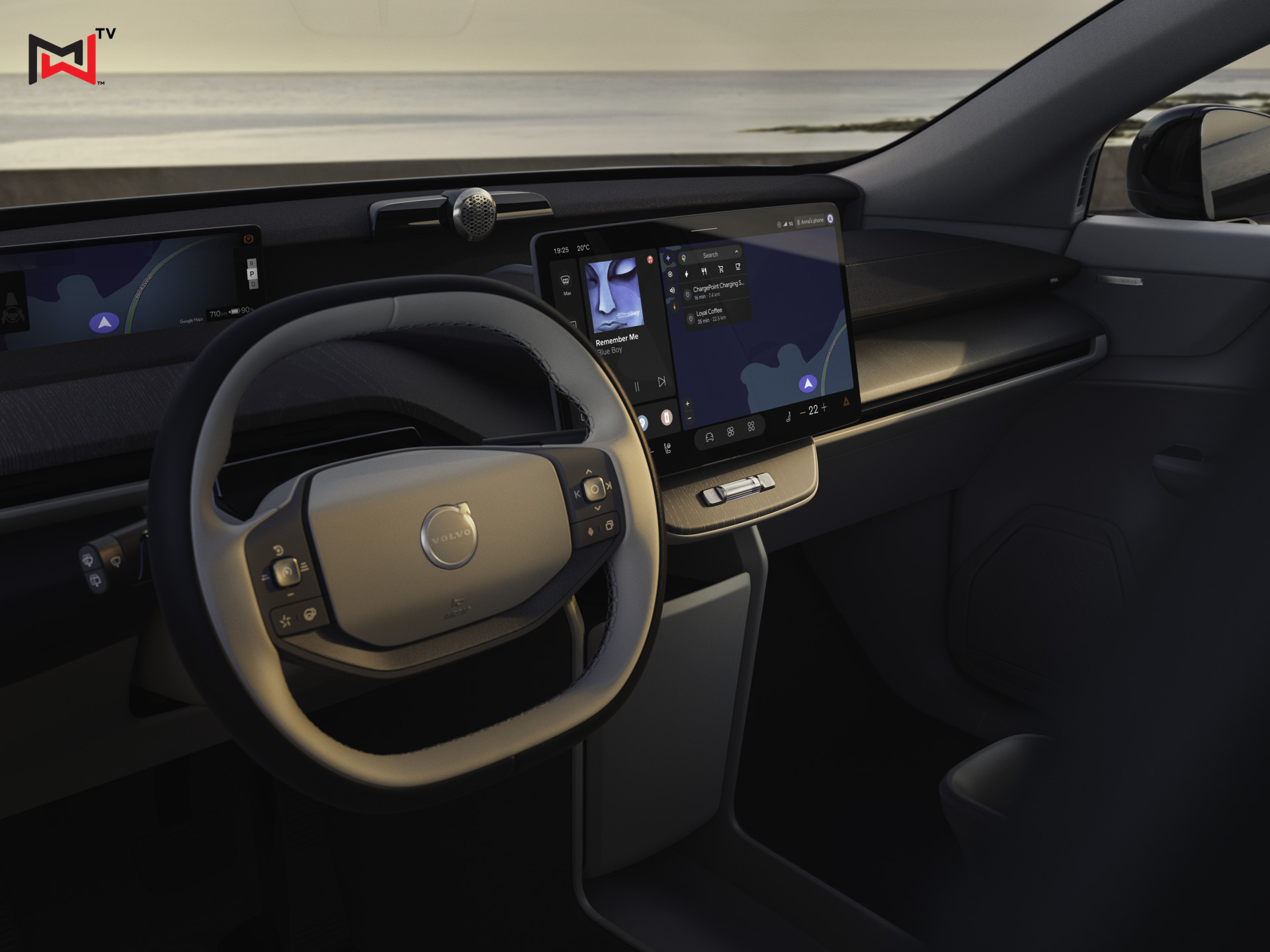
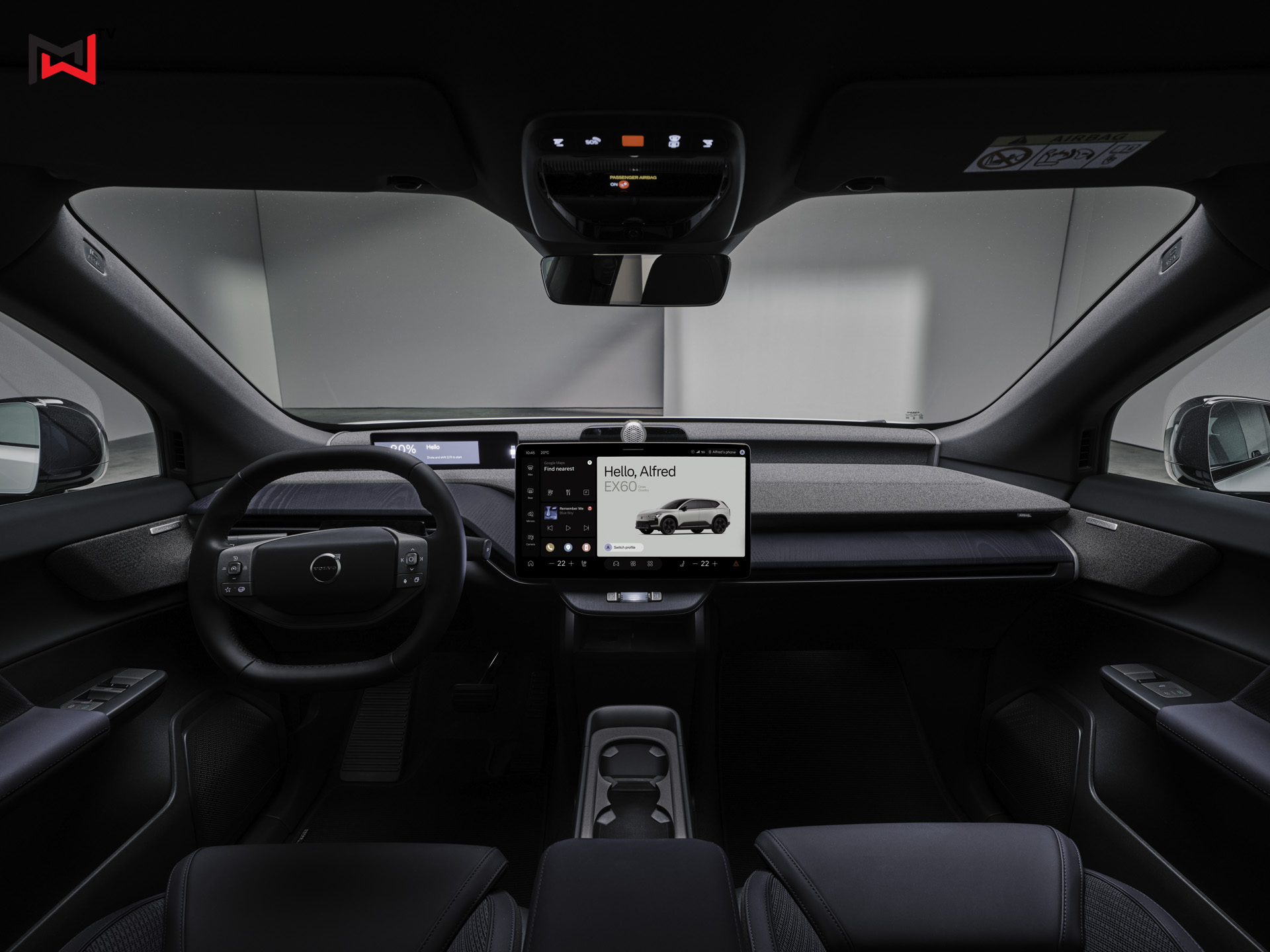
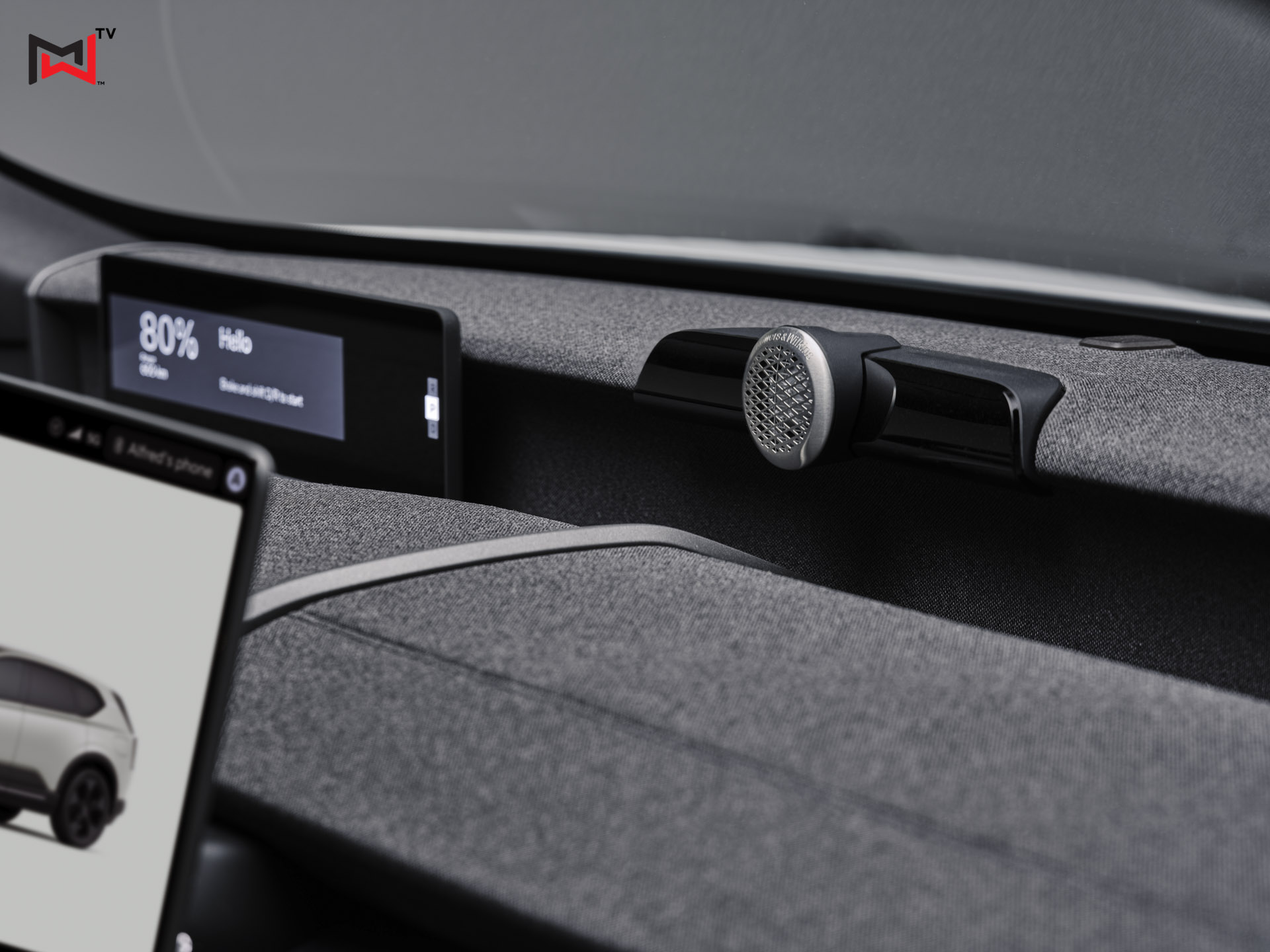
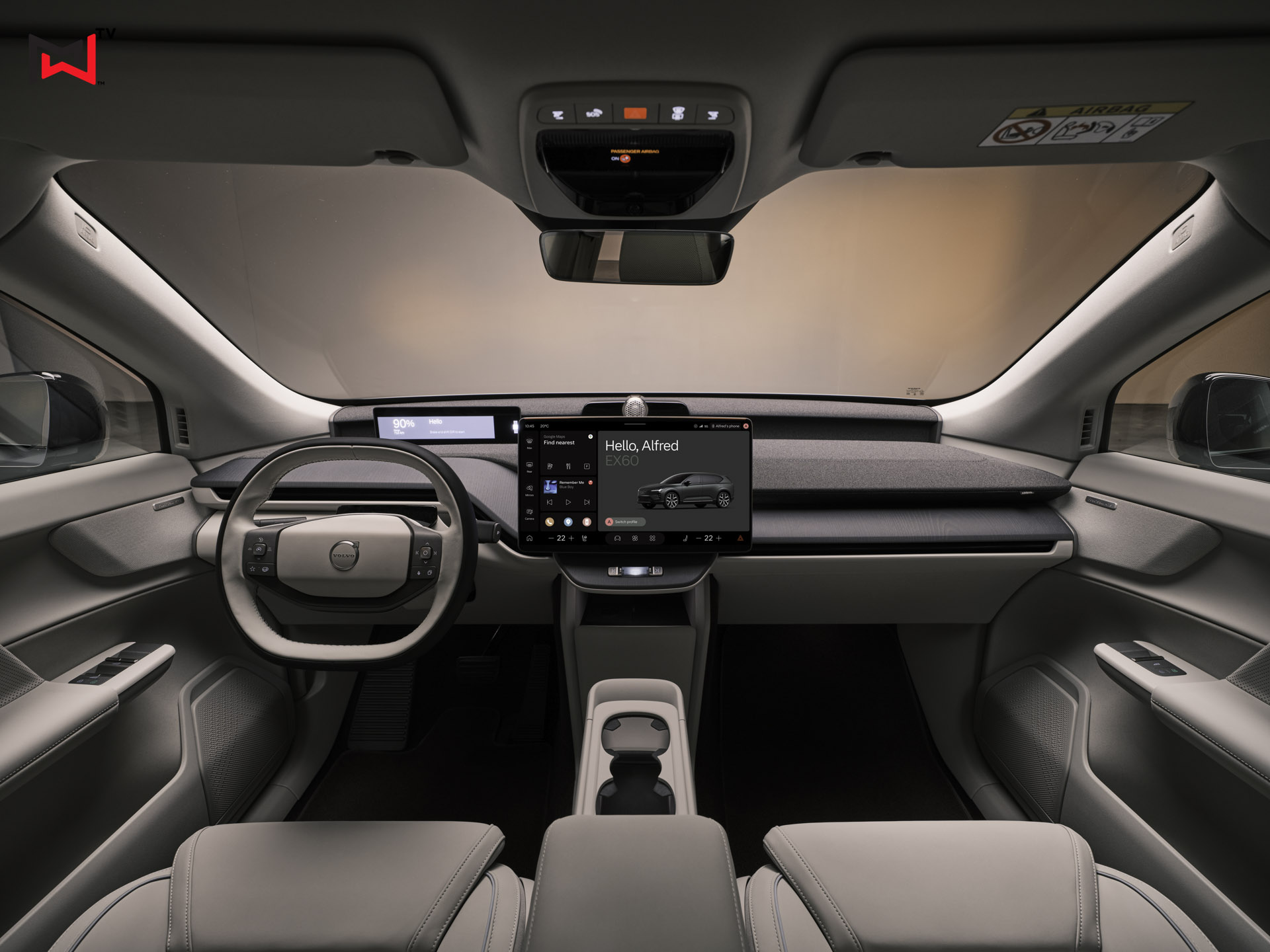
Inside, the EX60 reflects Volvo's ongoing shift toward software-led vehicles. The new HuginCore computing system acts as the backbone for everything from infotainment to safety systems, allowing the car to receive updates over time. This approach acknowledges a simple reality: modern vehicles are no longer finished products at the point of delivery. They evolve, and the EX60 is designed to evolve with them.
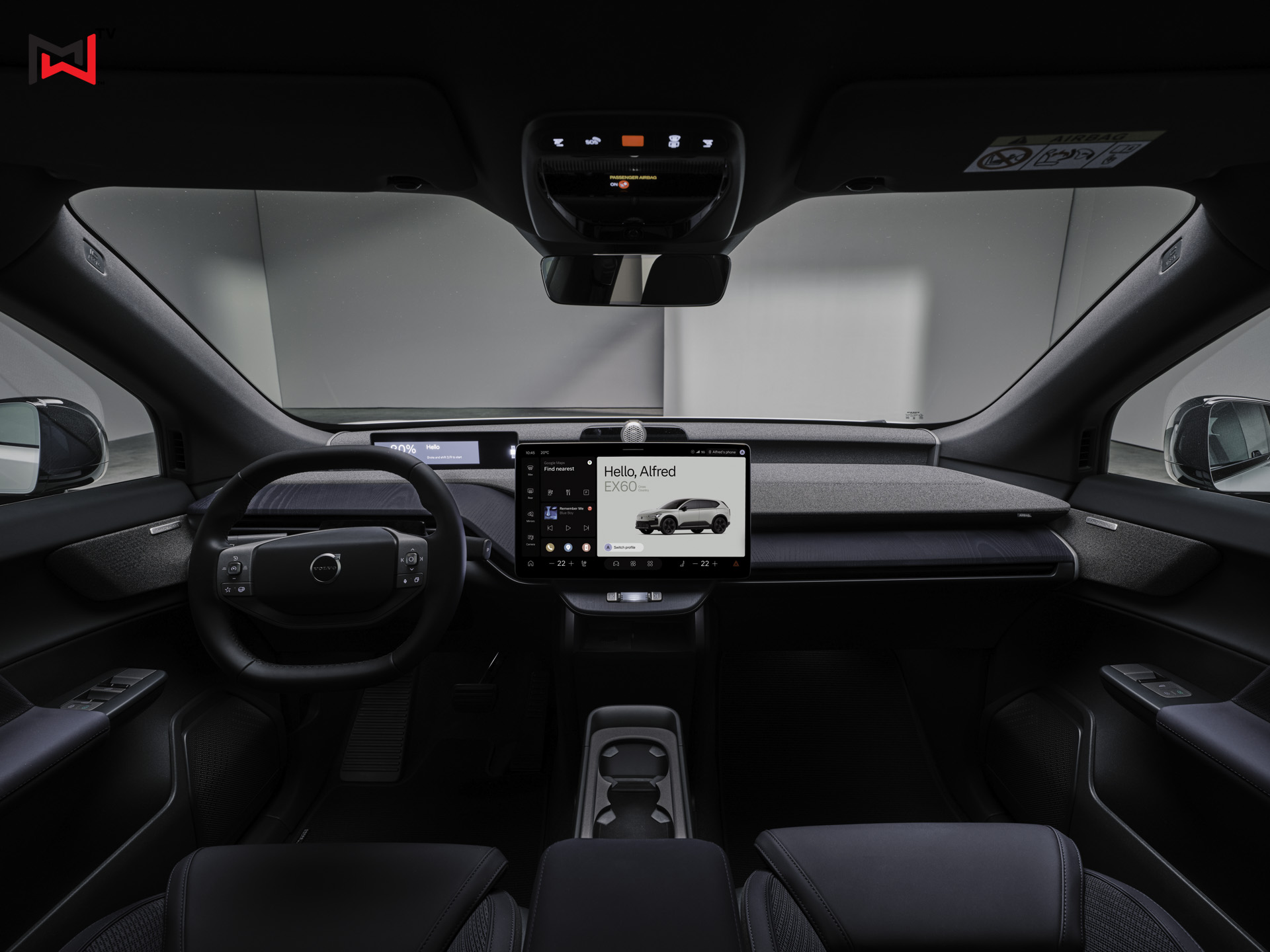
The integration of Google's Gemini AI introduces a more conversational layer to the cabin experience. Voice interaction is intended to feel more fluid and less mechanical, reducing the need for drivers to navigate menus while on the move. Importantly, this technology is housed within an interior that remains distinctly Volvo, calm, uncluttered and focused on visibility and comfort rather than visual overload.
Thomas Ingenlath Takes Over As Chief Of Design At Volvo Cars
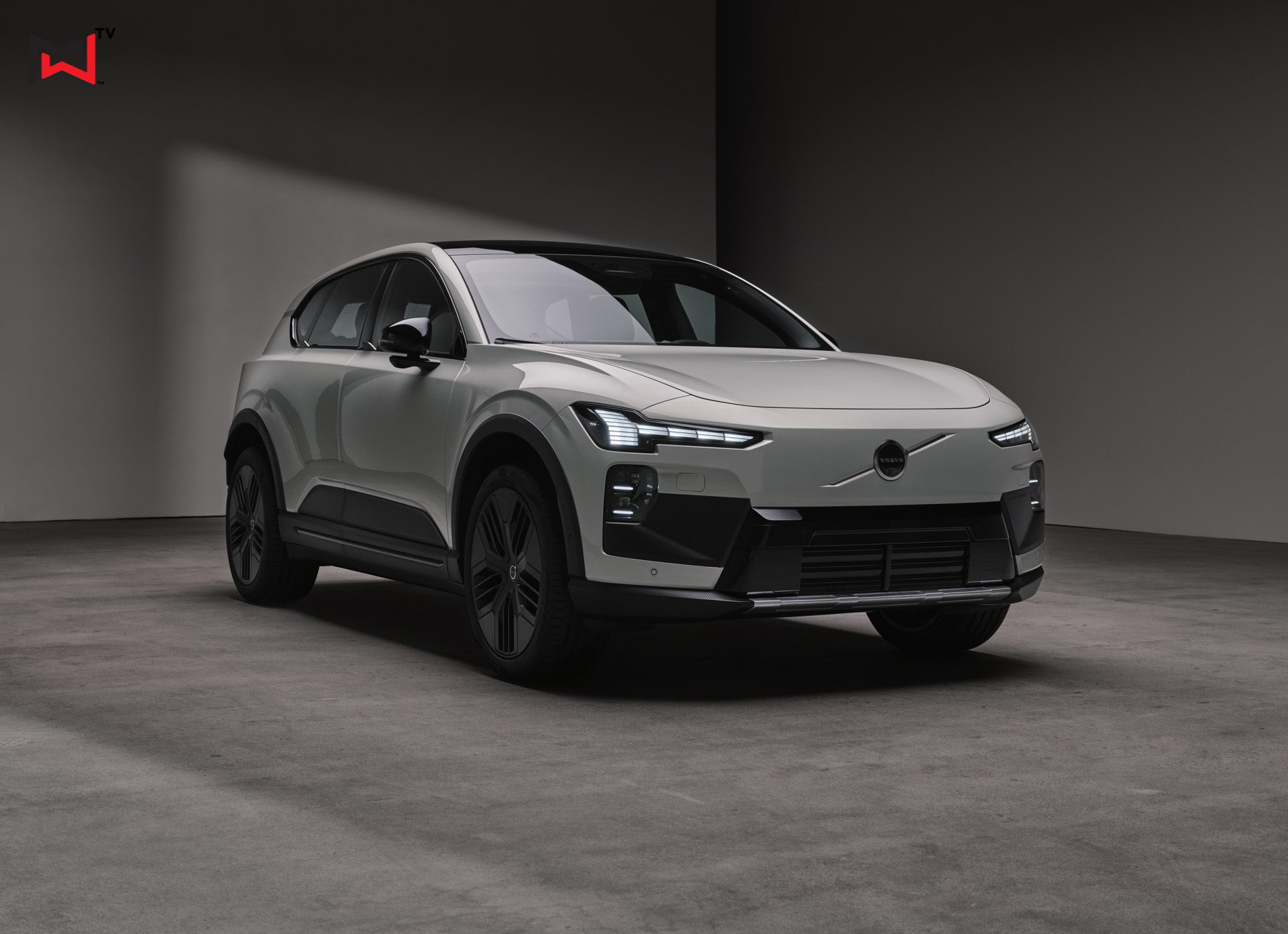
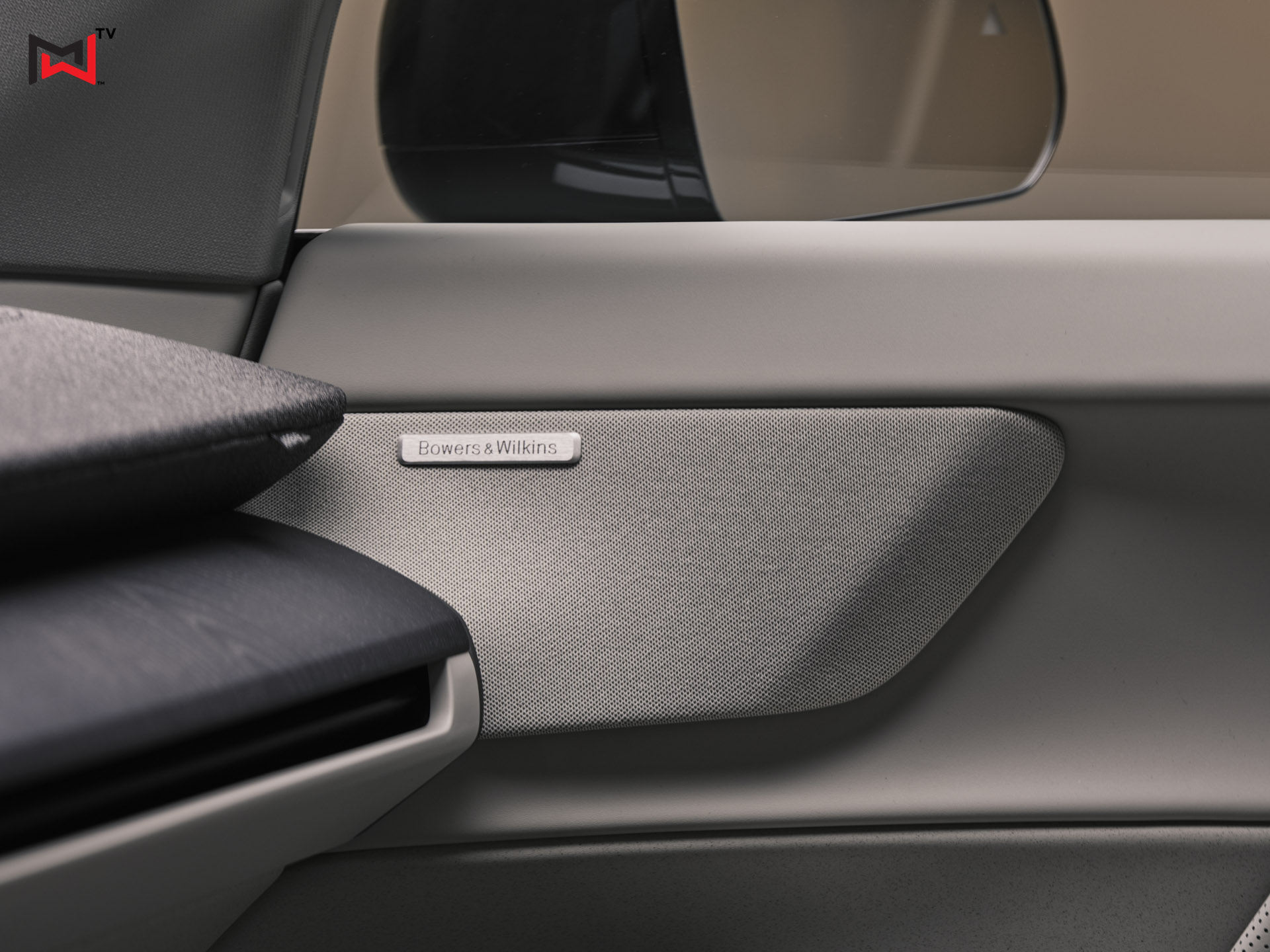
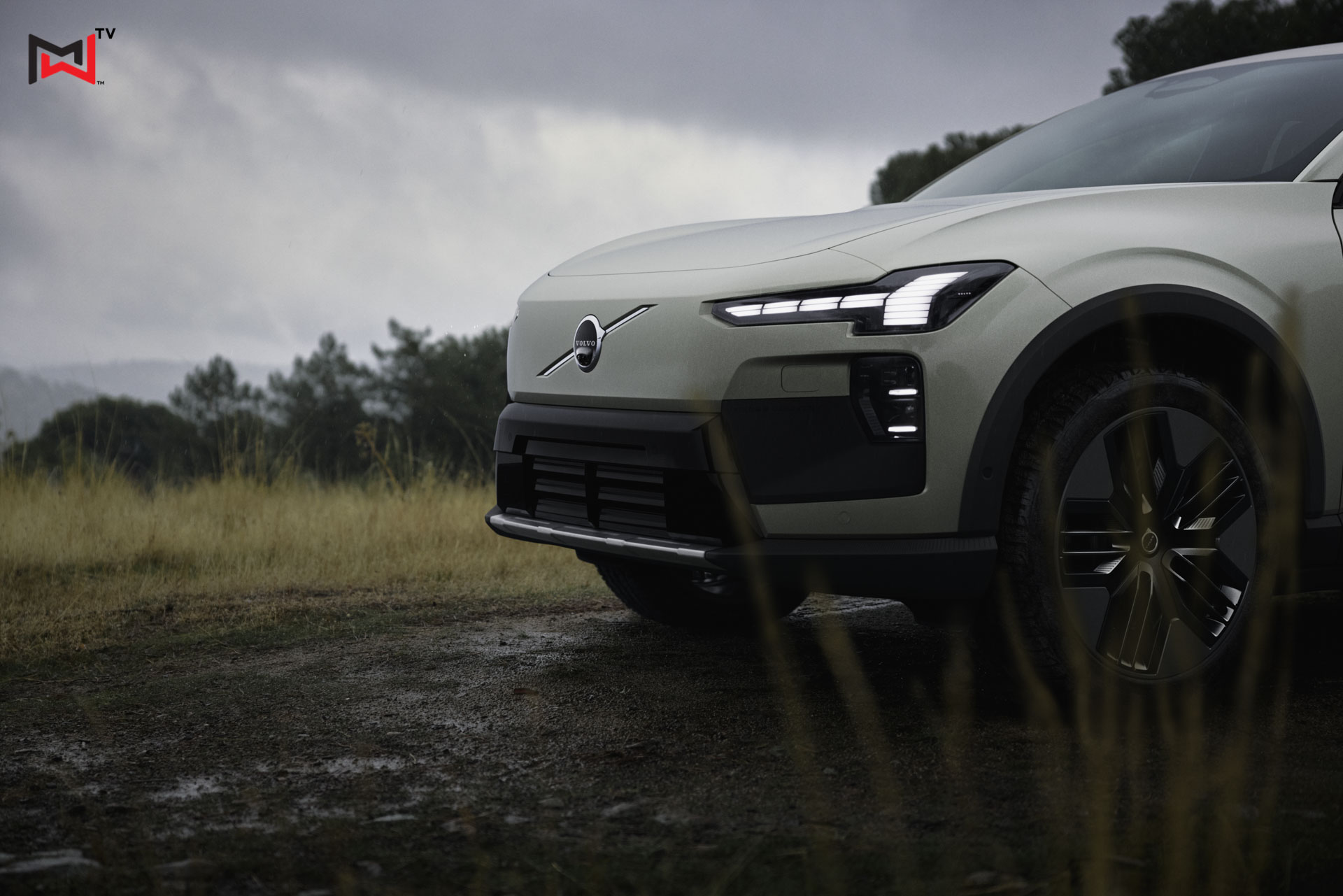
Design, both inside and out, follows a familiar Scandinavian logic. The exterior avoids aggressive styling cues, opting instead for clean surfaces and balanced proportions. It is recognisably modern but not overtly futuristic. Inside, material choices lean toward sustainability and durability, with an emphasis on space and ease of use. This is a cabin designed to age gracefully rather than impress briefly.
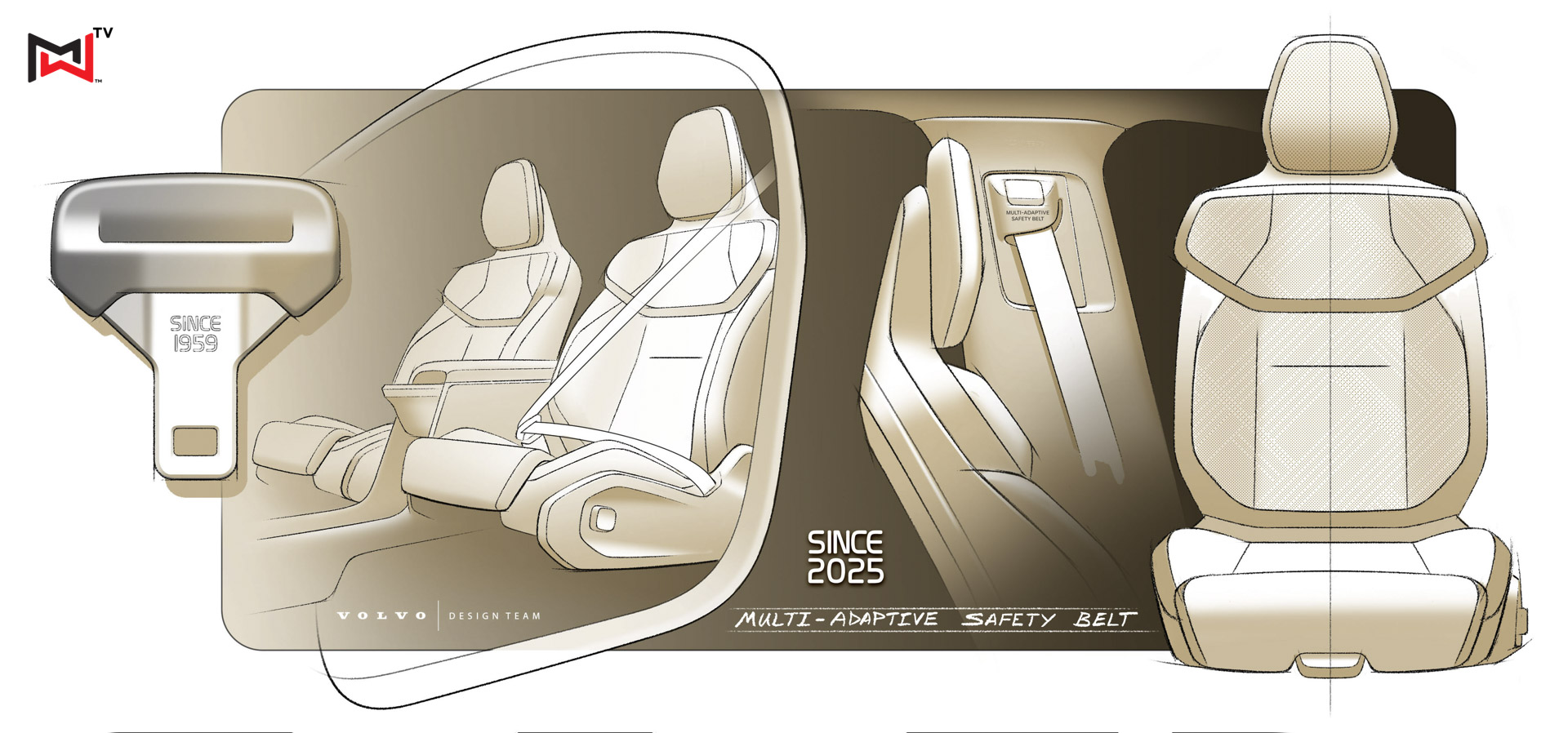
Safety continues to be a central pillar. The EX60 is equipped with the latest generation of driver assistance systems, designed to operate in real-world conditions rather than ideal scenarios. Volvo's approach here remains consistent: technology is meant to support the driver quietly in the background, not demand constant attention.
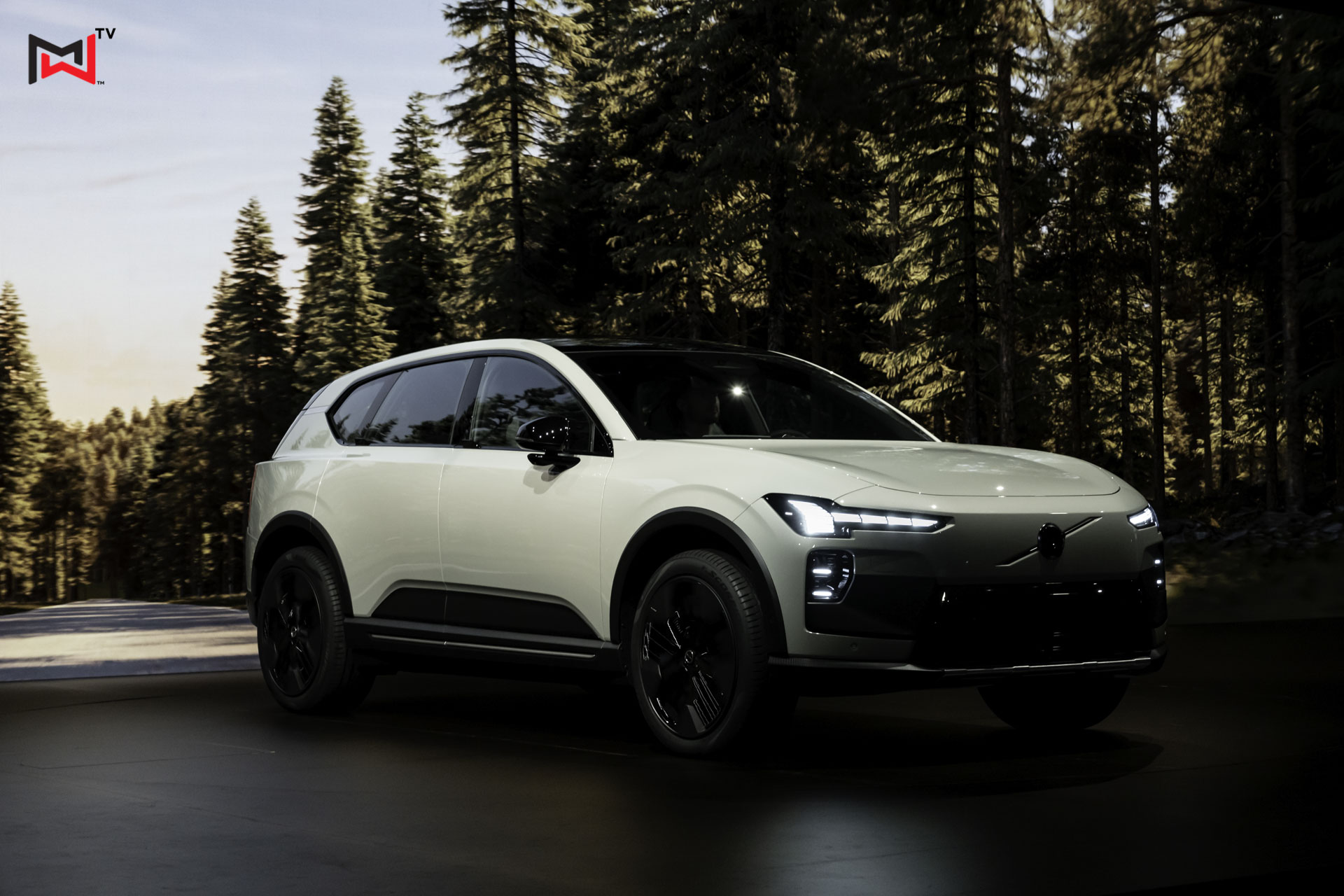
Production of the Volvo EX60 is scheduled to begin in 2026, with global markets expected to follow in phases. Pricing and regional specifications are yet to be announced, but the EX60 clearly appears positioned as a core model rather than a limited or experimental offering. It is meant to be lived with, not just showcased.
In an electric vehicle market that often feels crowded with noise, the EX60 takes a more measured path. It does not attempt to redefine mobility or chase extremes. Instead, it focuses on solving familiar problems in a quieter, more deliberate way. That may well be what gives it relevance as electric vehicles move from early adoption to everyday normalcy.
We would be curiously waiting for this lovely SUV to arrive in India. And as and when that happens, we will be covering the launch then.
Explore All The Volvo Cars Globally Here
Gallery








Your comment will be verified by admin before going live