
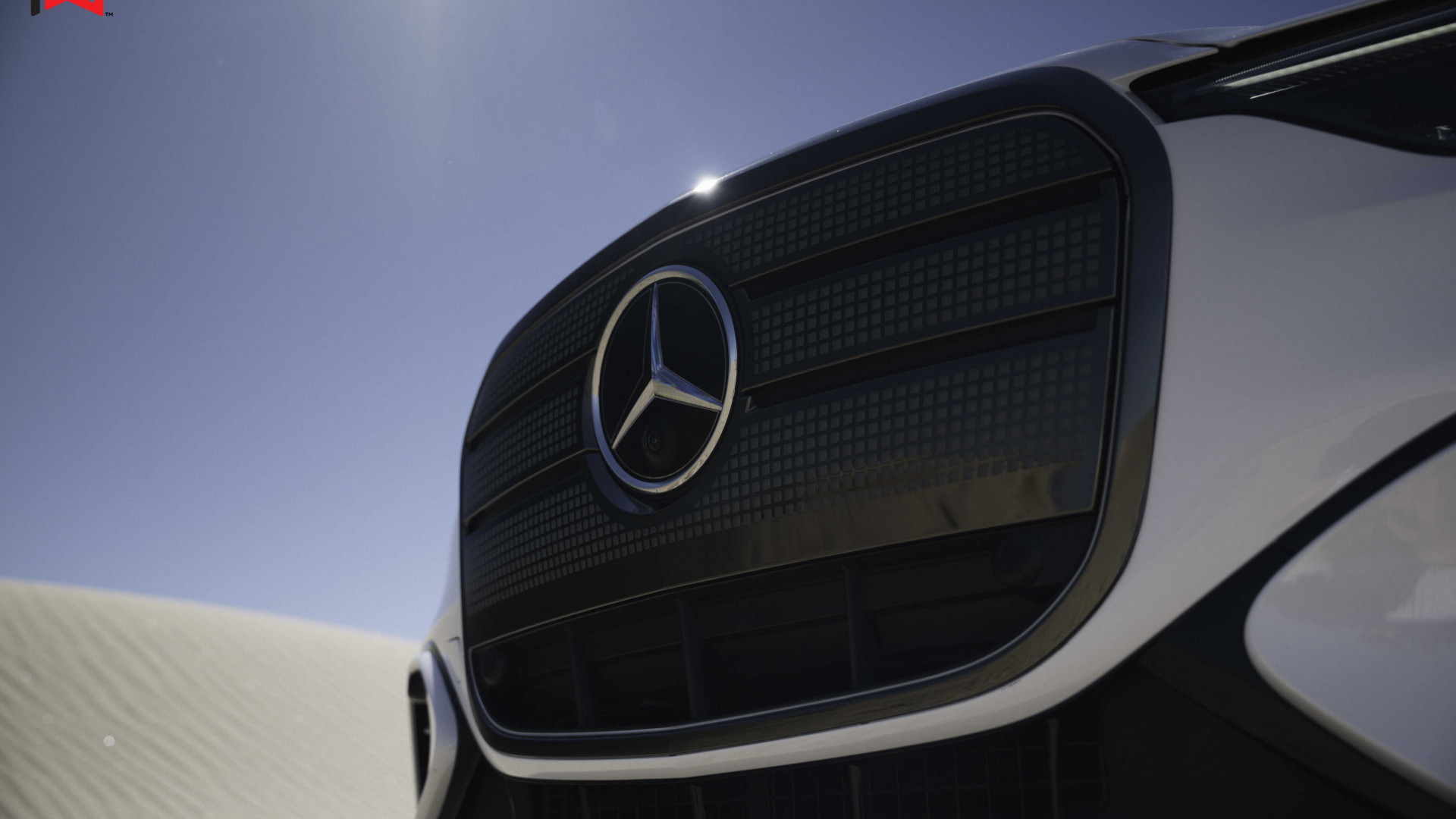
When Mercedes-Benz talks about twelve new launches in a single year, it’s worth slowing down and reading between the lines. This isn’t a brand that throws numbers around casually, and it certainly isn’t one that needs headline volume to stay relevant. So when the company confirms a twelve-product plan for India in 2026, it’s less about filling showroom space and more about resetting the conversation around what luxury buyers should expect next.
Officially, Mercedes-Benz has said these launches will include a mix of all-new models, products with no direct predecessors, and facelifts — with a strong emphasis on top-end vehicles and battery electric cars. Unofficially, this feels like the next logical step in a strategy the brand has been quietly executing for a while now: fewer compromises, fewer “filler” products, and a sharper focus on desirability.

The clearest signal of that future arrives with the new CLA BEV, which is expected to make its India debut next year. On paper, it’s the smallest and most accessible part of Mercedes-Benz’s electric roadmap. In reality, it might be the most important. This is the car that introduces MB.OS, Mercedes’ next-generation operating system, and with it a very different way of interacting with a car. Less menu-heavy, more intuitive, more software-led. Think of it less as an electric CLA and more as Mercedes’ first true attempt at a car designed around digital intelligence rather than just accommodating it.
For India, the CLA BEV could quietly become a turning point. Not because it’s the fastest or the flashiest, but because it lowers the barrier to experiencing Mercedes-Benz’s electric future without diluting the brand’s core values. That matters in a market where buyers are increasingly curious about EVs, but still unwilling to compromise on luxury or brand credibility.

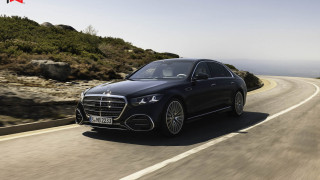
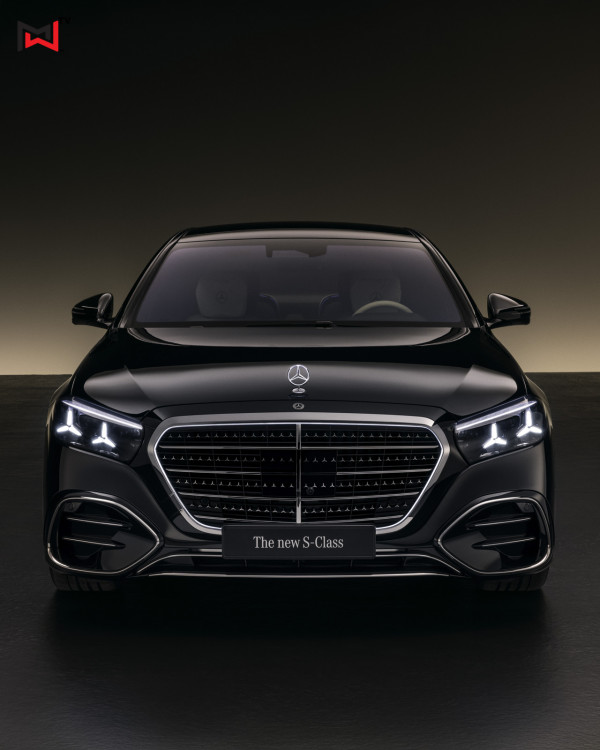
Beyond the CLA, things get far more interesting — and far more speculative. Mercedes-Benz has been teasing the next-generation S-Class globally, and anyone who has followed the brand long enough knows that the S-Class is never just another update. It’s a statement. A technology showcase. A preview of where the brand is headed five years down the line. While the current S-Class is still doing strong business in India, the global teasers suggest something more radical brewing beneath the surface — deeper digital integration, more advanced driver assistance, and a sharper focus on rear-seat experience. Whether this new S-Class makes it to India as part of the 2026 plan or shortly after remains to be seen, but its presence looms large over the entire lineup.
SUVs are almost guaranteed to make up a sizeable chunk of the twelve launches. Mercedes-Benz understands the Indian appetite for high-riding luxury better than most, and electric SUVs, in particular, are becoming an increasingly safe bet. Expect newer iterations and possibly entirely new electric SUV nameplates that lean heavily into range, comfort and presence — the three things Indian luxury buyers care about far more than outright performance figures.

Speaking of performance, it would be surprising if Mercedes-AMG stayed quiet through all of this. AMG has evolved from being a niche indulgence into a genuine pillar of the brand’s India strategy. With electrification now firmly part of AMG’s global roadmap, the possibility of high-performance electrified models or limited-run special editions entering the Indian market feels less like a gamble and more like a matter of timing.
What ties all these potential launches together is a noticeable shift in tone. Mercedes-Benz is no longer trying to be everything to everyone. The entry-level volume game has clearly taken a back seat. In its place is a more confident, almost restrained approach — one that prioritises technology, experience and long-term brand equity over short-term numbers. The twelve-car plan for 2026 isn’t about flooding the market. It’s about precision.

In that sense, the most interesting question isn’t which twelve cars are coming, but what they collectively represent. A brand that’s betting on software as much as sheet metal. On electric mobility without apology. On customers who want something that feels considered, not compromised. If Mercedes-Benz executes even three-quarters of what this roadmap hints at, 2026 could mark a quiet but decisive shift in how luxury cars are defined in India.
And for those watching closely, the clues are already there — you just have to know where to look.


Your comment will be verified by admin before going live