
Most people don’t associate tyre manufacturing plants with butterflies, birds or biodiversity education. And yet, if you step into Bridgestone India’s Kheda facility today, that’s exactly the conversation the company seems to be starting.
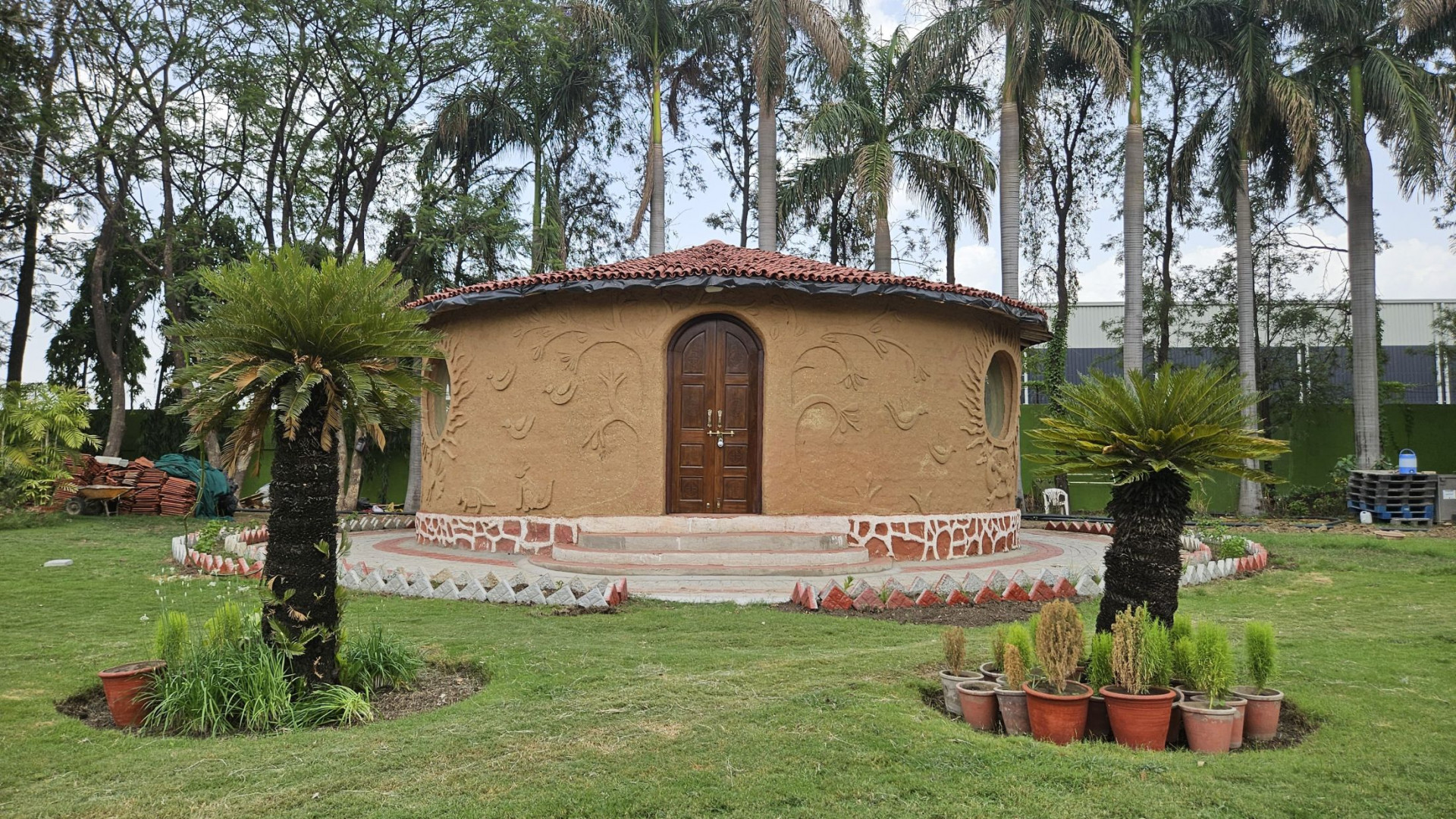
Tucked inside the plant is a Butterfly Garden that has been quietly growing for some time now. Recently, Bridgestone added another layer to it — a Nature Interpretation Centre, built not as a formal building but as an eco-friendly mud house. It’s an interesting choice, and a deliberate one. The idea isn’t to impress with scale or technology, but to slow people down and get them to look closer.

Inside, the centre feels more like a learning space than a corporate installation. There are three-dimensional models explaining ecosystems, interactive boards that break down biodiversity in simple terms, and shelves stocked with books, herbariums and training material. This isn’t designed for quick walkthroughs. It’s meant to be used — for workshops, awareness sessions and conversations around conservation that go beyond slogans.
That intent became clear when groups of school students began visiting the centre. Recently, over seventy students from nearby schools spent time here, getting hands-on exposure to environmental learning in a setting they probably didn’t expect. For many of them, this was their first close look at how nature can exist inside an industrial space without being pushed aside.
The learning centre sits within a 1.23-acre butterfly garden, which is where the story really deepens. Spread across the area are more than 7,000 native plants, chosen not for landscaping appeal but for their ability to support local wildlife. Over time, this has turned the space into a functioning ecosystem rather than a decorative green patch.
An evaluation carried out by the Bombay Natural History Society offers a telling snapshot of what’s happened here. Butterfly species recorded at the site have grown steadily since the garden was established, and bird sightings have increased as well — including species that hadn’t previously been documented in the Kheda region. Those numbers matter, not because they look good in a report, but because they indicate something rare in industrial zones: ecological continuity.















Your comment will be verified by admin before going live