
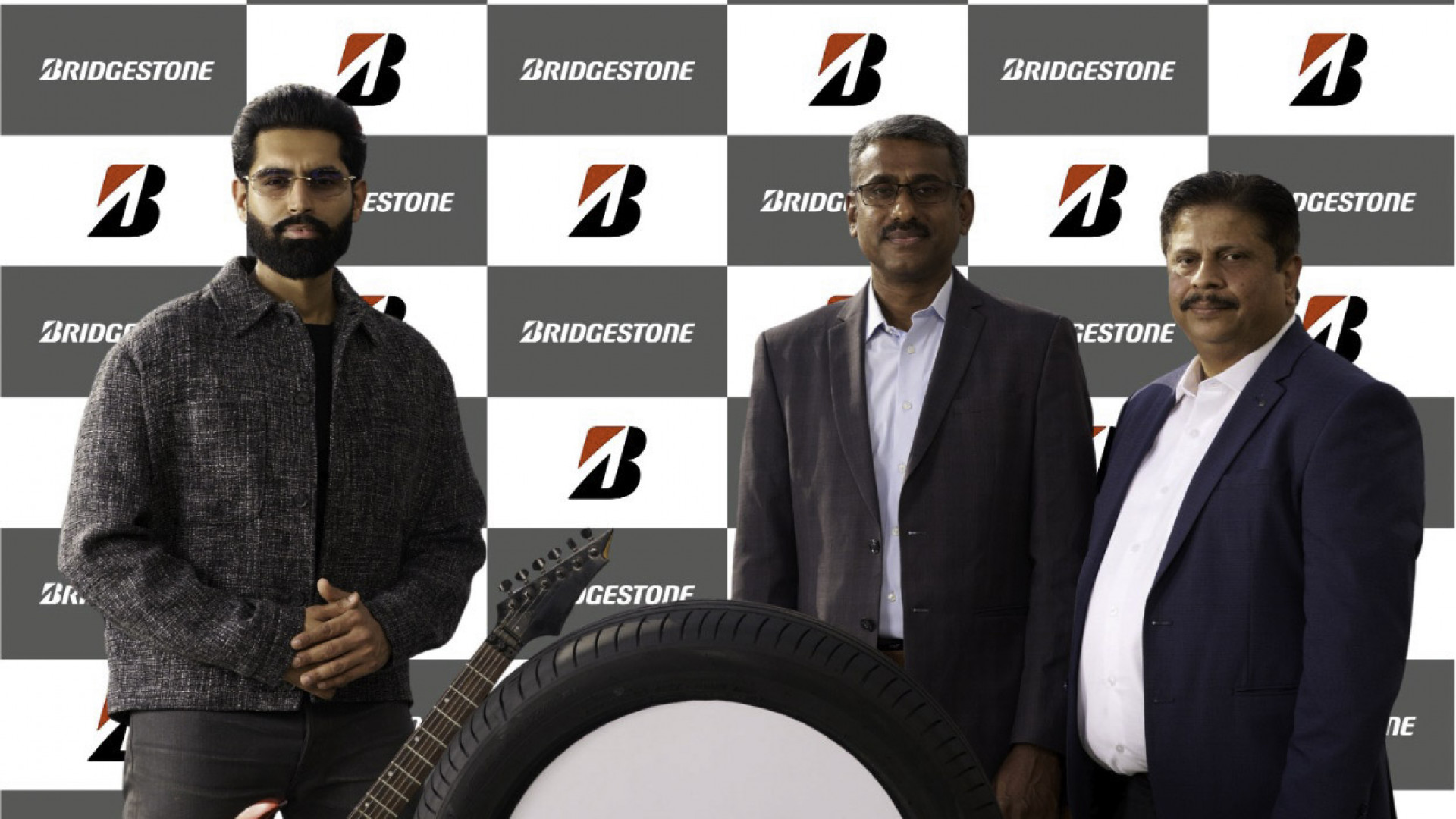
In a market where automotive brands are increasingly realising that traditional advertising no longer builds lasting recall, Bridgestone India’s latest collaboration with Punjabi star Parmish Verma feels both timely and well-judged. Rather than chasing fleeting celebrity visibility, the tyre major appears to be anchoring itself deeper into regional culture — particularly in North India, a market that continues to drive volume, aspiration and long-term growth.
Parmish Verma isn’t just a popular name in Punjabi music and cinema. Over the years, he has built credibility as a youth icon whose influence extends well beyond entertainment. His strong connect with younger audiences, combined with a known interest in automobiles and responsible driving, makes this association more than just a branding exercise. For Bridgestone, which has consistently positioned itself around safety, reliability and performance, the alignment feels natural rather than forced.
North India remains a strategically important region for automotive and mobility brands. Rising vehicle ownership, an expanding base of first-time car buyers and a culturally driven consumer mindset mean that emotional connection often plays a bigger role than technical specifications alone. Music, popular culture and digital storytelling shape buying behaviour here, and Bridgestone’s decision to tap into that ecosystem reflects a deeper understanding of how modern consumers engage with brands.
Under this partnership, Parmish Verma will work closely with Bridgestone India not just as a face, but as a creative collaborator. The focus is on music-led storytelling, social-first narratives and content that feels organic to the platforms where younger consumers already spend their time. This is a noticeable shift away from conventional endorsement formats and signals Bridgestone’s intent to stay culturally relevant without diluting its core message.
From a strategic standpoint, this move fits neatly into Bridgestone’s broader effort to position itself as a mobility solutions provider rather than just a tyre manufacturer. Rajiv Sharma, Executive Director – Sales & Marketing at Bridgestone India, underlined this thinking by emphasising the importance of engaging young consumers through fresh, relatable experiences. In today’s crowded automotive landscape, trust alone isn’t enough — brands also need resonance.
Parmish Verma’s response to the collaboration reinforces why the partnership works. His emphasis on trust, safety and performance mirrors the values Bridgestone has spent decades building in India. When a collaboration feels authentic on both sides, audiences are far more likely to engage with it, rather than viewing it as another promotional tie-up.
This association also ties into Bridgestone’s global philosophy through its E8 Commitment, particularly the ‘Emotion’ pillar — a reminder that mobility isn’t just about movement, but about how people feel when they interact with a brand. By blending music, youth culture and road safety into a single narrative, Bridgestone is attempting to humanise a category that is often perceived as purely functional.
For Bridgestone India, which has been operating in the country for over 25 years and has built strong manufacturing and distribution capabilities across regions, the focus is clearly shifting towards relevance and recall in an evolving market. With competition intensifying in both OEM and replacement tyre segments, emotional differentiation could prove just as important as product performance.
As automotive marketing continues to evolve, partnerships like this hint at where the industry is headed — away from one-way communication and towards cultural participation. Bridgestone’s collaboration with Parmish Verma is less about selling tyres in the short term and more about embedding the brand into conversations that matter to its future customers.
And in a region where music often speaks louder than messaging, that might be exactly the right note to strike.











Your comment will be verified by admin before going live